Your roof is the first line of defence against NZ weather. A neglected corrugated iron roof shows signs of wear, with rust patches spreading, paint fading, and moss infiltrating the ridges. Painting it properly can add years to its life without the cost of a full replacement.
But knowing how to paint a roof the right way separates a finish that holds for a decade from one that starts lifting before the first winter’s out.
Benefits of Painting a Roof
A well-applied coat of paint protects the metal from UV, moisture, and corrosion while refreshing your home’s appearance.
Why Corrugated Iron Roofs Need Special Care
Corrugated iron is everywhere in NZ, but it’s a more demanding surface than most expect. The ridges collect moisture and debris, speeding up rust. The metal also expands and contracts with heat, so any paint that can’t flex will crack and peel.
Safety and Weather Considerations Before Painting
Work safely or don’t work at all. Non-slip boots, a safety harness, and a properly secured ladder are all essential. Safety gear is what keeps a DIY job from turning into something far worse.
Weather matters too. Wet paint pools in corrugated valleys and won’t bond properly. It is advisable to have at least two consecutive dry days, so please check the forecast before proceeding.
How to Prepare a Corrugated Iron Roof for Painting
Knowing how to prepare a corrugated iron roof for painting is the most critical step. Proper prep is what the paint holds onto. Skip it, and even quality products will fail early.
Inspecting the Roof for Damage and Rust
Start with a full inspection. Look for rust spots, lifted sheets, broken tiles, and cracked roof tiles. Structural issues come first.
Cleaning Dirt, Moss, and Debris
A roof cleaner or pressure washer strips moss, lichen, and grime. Work from the ridge down and let the surface dry fully. Paint adhesion depends on a clean, dry base.
Removing Rust and Treating Corrosion
Scrape loose rust with a wire brush, then apply a rust converter to neutralise what’s left. Rust treatment for metal roofs must happen before priming. Painting over active rust just delays the problem.
Repairing and Sealing Damaged Areas
Seal cracked flashing and open joints with a roofing sealant. Heavily corroded sections should be replaced rather than painted over.
Choosing the Right Paint for Corrugated Iron Roofs
For NZ conditions, water-based acrylic paints are the best paint choice for metal roofs. These acrylic paints flex with metal, resist UV, and contain mould inhibitors that are suited to our damp climate. Always choose a formula rated for metal roofs, not a general exterior product.
Key things to look for:
- UV resistance and flexibility for thermal movement
- Mould and mildew inhibitors
- A formula tested for NZ conditions
On the roof colour, lighter tones reflect more heat and can make a real difference indoors over the summer.
How to Paint a Roof Step by Step
Here’s how to paint a corrugated iron roof in NZ step by step. Take it section by section, and don’t rush between coats.
Applying Primer Evenly
A metal primer goes on before anything else. Roll flat sections and brush the valleys. Skipping this step cuts years off the final result.
Painting Techniques for Corrugated Surfaces
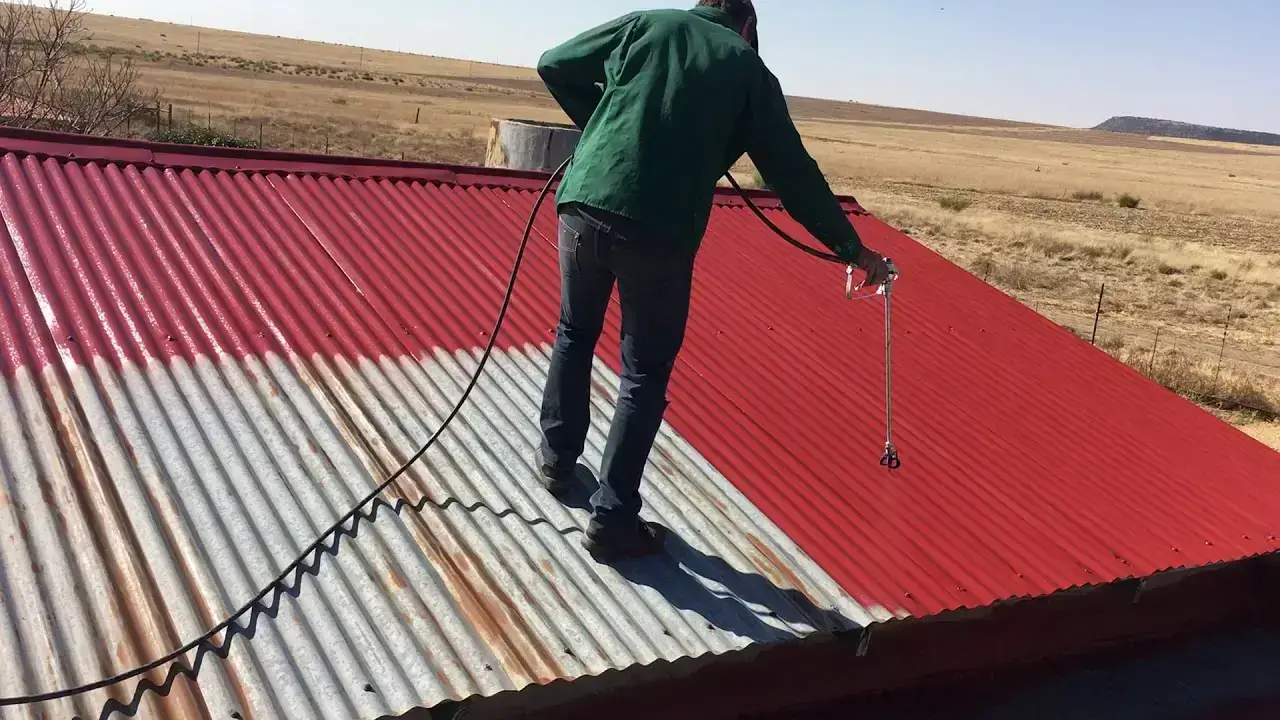
Roll ridges first, then work paint into the valleys with a brush. A paint sprayer covers larger roofs faster, but tape off gutters and fascias beforehand. Painting corrugated iron properly requires patience — gaps in coverage show up fast.
Applying Multiple Coats for Durability
Let each coat dry for 4–6 hours. A second coat is standard. Darker colours often need a third coat for full, even coverage.
Drying and Curing Process
Touch-dry in hours, but full curing takes 7–14 days. Keep foot traffic and heavy rain off the fresh surface during that window.
Maintenance Tips After Painting Your Roof
A quality roof painting in Auckland results in a 10–15-year lifespan with basic upkeep.
Regular Cleaning and Inspection
Inspect your roof paint twice a year. Clear gutters and valley debris, and watch for early peeling or rust. Small fixes now prevent expensive ones later.
Preventing Future Rust and Damage
Trim overhanging branches and rinse away salt air residue periodically, particularly in coastal areas of NZ.
When to Hire Professional Roof Painters
Heavy rust, structural damage, and unsafe roofing materials—including potential asbestos roofs on older NZ homes—all need a professional assessment before you start.
For professional roof painting in Auckland, homeowners can rely on a licensed team with local experience and proper height-work safety gear.
If structural damage is involved, address any roof repairs in Auckland before painting begins.
Frequently Asked Questions
Quick answers to the most common questions before you start.
How do you prepare a corrugated iron roof for painting?
Inspect and clean the surface, let the freshly painted roof dry fully, treat rust, seal gaps, and then prime before the topcoat goes on.
What is the best paint for corrugated iron roofs in NZ?
Water-based acrylic paints are made for metal roofs. They flex with temperature shifts and hold up well against NZ’s UV exposure and moisture.
Can you paint a roof yourself, or should you hire professionals?
If the roof is in fair condition and you’re comfortable at heights with proper safety gear, DIY is manageable. Professional roof painters are the safer choice when dealing with uncertain or severely rusted materials.
Conclusion
Painting a corrugated iron roof isn’t complicated, but it does reward doing it properly. Good prep, the right products, and patience between coats will deliver a finish that genuinely protects your home for years to come. If the job looks bigger than expected, or the roof has taken a few too many NZ winters, a professional assessment is always worth it.