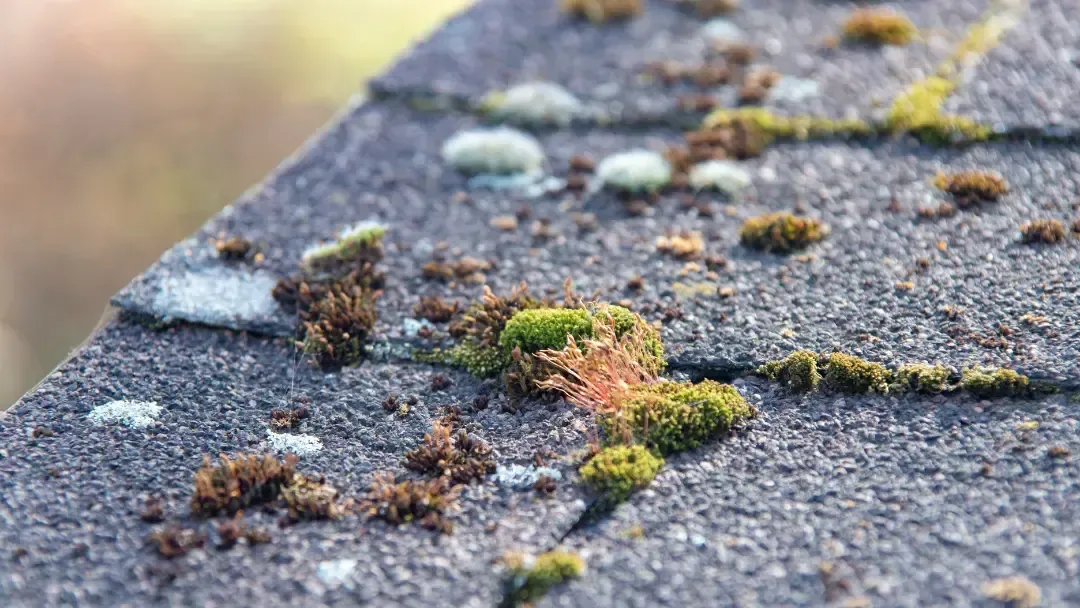
You just stepped out after a night of heavy rains, and you looked up at your roof, and the first thought was, “Wow, when did that happen?” You can notice a few dark streaks, green patches, and grimy spots appearing out of nowhere. It is no illusion. Heavy rain does spoil how your roof looks, and never in a good way!
Let’s discuss what rain does to your roof, why moss loves it so much, and what you can do before minor problems turn into expensive issues.
What Heavy Rain Really Does to Your Roof
Definitely, the roof is built to protect you from the weather, but constant rain is a different story. When the storm strikes, moisture hangs around longer than your roof would like. This is what experts in roof cleaning services say about the aftermath of heavy rain.
Rain Brings Dirt Along With It
Rain isn’t just water pouring. It carries dust, pollution, pollen, and tiny bits of organic debris from the air. When the rain falls on your roof, all of that stuff settles on the surface.
Over time, the particles accumulate and form a thin layer of dirt. This layer holds moisture after a good rain. Once your roof stays damp, it becomes an ideal spot for moss and algae to grow.
Water Spreads the Mess Around
When the rainwater hits your roof, it doesn’t just drain away but spreads dirt and spores into corners, seams, and low spots. Eerie!
Areas near gutters and roof valleys are always wet, so they accumulate more buildup. If water doesn’t drain quickly, it lingers, which is the real problem.
Why Roof Dirt Is Not Just About Looks
A dirty roof isn’t just about the looks; it’s about the damage and the expensive solutions it leads to over time.
Dirt Traps Moisture Against Shingles
As dirt accumulates on your roof, it traps moisture against your roofing materials, leading to dampness. And you know constant dampness can weaken shingles, tiles, and other surfaces. When the materials break down, they become rougher, making it even easier for algae and moss to find space to grab onto and grow.
The problem just keeps snowballing.
Moss Can Damage Shingles
Moss doesn’t just sit at the corner of your roof; it continues to grow outward and upward. As it expands, it can lift the edges of your shingles or tiles, causing more damage than you can think of. These raised areas let water seep beneath the roof covering, causing leaks, rot, and whatnot.
Why Heavy Rain Makes Roof Care More Important
Living in areas that often experience heavy rain and storms makes it essential to maintain your roof. You can’t control the weather in your area, but you can prevent damage to your home.
Check Your Roof to Catch Problems Early
After the rainy season, take a look at your roof from the ground. If you see some dark streaks, green patches, or uneven areas, there is a problem. It is better to catch dirt and moss early to make removal easier and help you prevent any long-term damage. Waiting too long gives moss time to root itself deeper into your roof.
Clean Gutters Help More Than You Think
Sometimes, with clogged gutters, the rainwater may hit back and sit on your roof edges. The extra moisture that gets clogged feeds moss and helps it grow, causing the damage. When you keep your gutters clean, you allow the rainwater to flow away faster, which means less standing water and fewer chances for moss or algae to grow.
Simple Things You Can Do to Protect Your Roof
You don’t need to climb the roof to protect it. A few simple tricks and being a little alert can help you deal with everything easily.
Trim Trees Near Your Roof
If branches are overhanging your roof, they block sunlight and shed leaves and dirt, thus setting up a perfect scene for moss to grow. It is better to trim the branches back so you get more sun, improve airflow, and shed less dirt. More sun and better airflow are natural ways to dry your roof and slow moss growth.
Get Professional Roof Cleaning When Needed
If you see moss or algae growth, calling professional roof-cleaning experts is the best move. The experts have hands-on experience in removing growth without damaging any shingles or tiles. A lot of people think pressure washing can help, but it doesn’t. It can do more harm than any good. It is smart to let an experienced team handle it.
The Takeaway for Your Roof
Heavy rain does not just pass through and disappear. It brings dirt, spreads spores, and keeps your roof wet long enough for moss and algae to thrive. Over time, that growth can damage your roof and shorten its lifespan.
When you understand what rain is doing to your roof, you can stay one step ahead. A little attention now can save you a lot of money and stress later. And honestly, who does not want a roof that stays clean, solid, and worry-free?